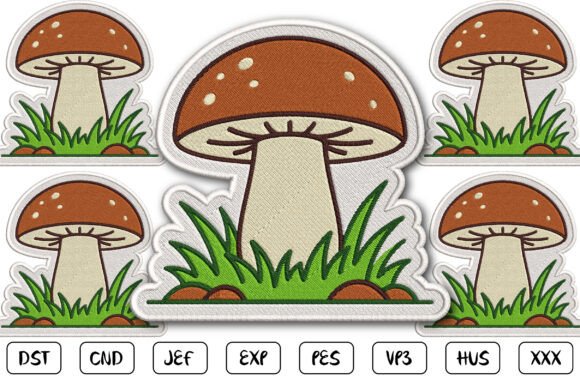
Mushroom Patch Embroidery Design Review
As a professional embroidery designer specializing in commercial merchandise and branded assets, I approach every new machine embroidery design with a critical eye toward production viability. When evaluating the Mushroom Patch Embroidery Design for small business applications, my primary focus is not just aesthetic appeal, but how this digital asset translates into a profitable, durable finished product. This review analyzes the design’s suitability for cafes, boutiques, florists, and handmade brands looking to integrate forest-inspired imagery into their brand identity.
Visual Personality and First Impressions
The Mushroom Patch Embroidery Design immediately communicates a specific vibe that aligns perfectly with current market trends in small business merch. Based on the description featuring a classic toadstool with lush grass details and a clean white patch style, this design strikes a balance between rustic charm and professional clarity. For a business owner, this visual tone is crucial. It feels handmade and organic without appearing messy or amateurish.
In the context of Embroidery within the Forest category, this design avoids overly complex shading that can sometimes cause registration issues on high-speed commercial machines. The "clean white patch" element suggests a defined boundary, which is excellent for creating standalone embroidered patch products. This border acts as a visual container, making the design versatile enough to be placed on dark denim aprons, canvas tote bags, or structured caps without getting lost in the background texture. The aesthetic is friendly and inviting, making it ideal for customer-facing businesses like bakeries or plant shops where warmth and approachability are key selling points.
Commercial Applications for Small Business Merch
When integrating this digital embroidery file into a product line, versatility is paramount. Here is how the Mushroom Patch Embroidery Design performs across various commercial applications:
- Staff Uniforms and Aprons: For cafes and florists, apron embroidery serves as both branding and uniform cohesion. The mushroom motif works exceptionally well as a chest logo or pocket accent. Its nature-inspired theme reinforces the freshness of ingredients or products, subtly enhancing customer trust through visual consistency.
- Retail Merchandise: Boutique owners can utilize this design for tote bag design or beanies. Because the design features a self-contained patch style, it creates a premium look even on unstructured fabrics. Customers perceive custom apparel with detailed, clean embroidery as higher value than screen-printed alternatives.
- Headwear Branding: Cap embroidery presents unique challenges due to curvature. However, the compact nature of a mushroom toadstool typically fits well within the limited vertical space of a cap front. The grass details at the base can anchor the design, preventing it from looking like it is floating awkwardly on the curved surface.
- Product Packaging and Tags: Beyond apparel, this embroidery file can be scaled down for fabric tags on handmade goods or reusable packaging accents. This adds a tactile element to the unboxing experience, significantly boosting buyer engagement for Etsy sellers and craft businesses.
Production Considerations and Technical Limitations
While the Mushroom Patch Embroidery Design is aesthetically pleasing, professional execution requires attention to technical constraints. As an experienced digitizer, I advise testing specific variables before committing to bulk production.
Stitch Density and Fabric Texture
The "lush grass details" mentioned in the product description require careful evaluation regarding stitch density. If the grass is rendered with dense satin stitches or heavy fill, running this design on lightweight fabrics could cause puckering or distortion. Conversely, if the fabric has a heavy fabric texture like terry cloth or fleece, fine details in the grass or mushroom cap may get buried. Always test on the actual garment material. You may need to adjust the underlay or use a heavier stabilizer to support the design structure without compromising the drape of the apparel.
Sizing and Legibility
One common pitfall in commercial embroidery is resizing designs beyond their intended limits. Before using this design for tiny sleeve cuffs or miniature tags, verify the minimum size. Intricate grass details often turn into thread blobs when reduced below 2 inches. Check the original specifications of the embroidery file for recommended dimensions. If you intend to use this for cap embroidery, ensure the hoop size accommodates the curve and that the design height does not exceed the cap frame's safety margin.
Thread Color Contrast
The description highlights a "clean white patch" style. While striking on dark garments, white thread on white or light-colored fabric will result in zero contrast and poor visibility. For light uniforms or natural canvas totes, consider modifying the outline color or adding a darker border to maintain definition. Always review thread colors against your specific inventory of blanks to ensure the design pops as intended.
Impact on Brand Identity and Customer Perception
Incorporating the Mushroom Patch Embroidery Design is more than a decorative choice; it is a strategic branding decision. Consistent use of high-quality design assets builds recognition. When customers see the same crisp, well-executed mushroom motif across your staff aprons, shopping bags, and social media content, it signals professionalism and attention to detail.
For handmade product sellers, this design bridges the gap between artisanal charm and retail readiness. It elevates the perceived value of the item. A poorly executed patch looks cheap; a professionally stitched Mushroom Patch Embroidery Design suggests that the business cares about quality in every aspect of their operation. This directly influences customer trust and willingness to pay premium prices for small business merch.
Designer Notes for Successful Implementation
To maximize the ROI of this digital embroidery file, follow these practical steps before launching your merchandise line:
- Verify Licensing: Before selling any items featuring this design, confirm the commercial licensing terms. Ensure you have the right to sell finished embroidered products versus just the digital file itself.
- Create Printable Mockups: Before stitching physical samples, create a printable mockup to show clients or stakeholders. This helps visualize placement and scale on the actual garment without wasting materials.
- Test Stitch-Out: Never skip the test run. Stitch the design on scrap fabric identical to your final product. Inspect the registration between the mushroom cap and grass details. Check for gaps or overlapping threads.
- Evaluate Stabilizer Choice: Match your stabilizer to the end-use. Use cut-away stabilizer for stretchy knits and uniforms that undergo frequent washing. Use tear-away only for stable, non-stretch woven fabrics to prevent distortion over time.
- Check File Specifications: Since exact stitch counts and formats vary, always inspect the file metadata. Confirm the design fits your machine’s maximum sewing field and that the format is compatible with your equipment.
- Compare Against Existing Assets: Place the Mushroom Patch Embroidery Design beside your current logo and other design assets. Ensure the stitch style and weight are visually consistent to maintain a cohesive brand aesthetic.
By treating the Mushroom Patch Embroidery Design as a functional business tool rather than just a pretty picture, you ensure it delivers lasting value. Whether used for staff uniforms, retail merchandise, or branded packaging, proper technical execution transforms this forest-inspired motif into a powerful asset for brand growth and customer loyalty.