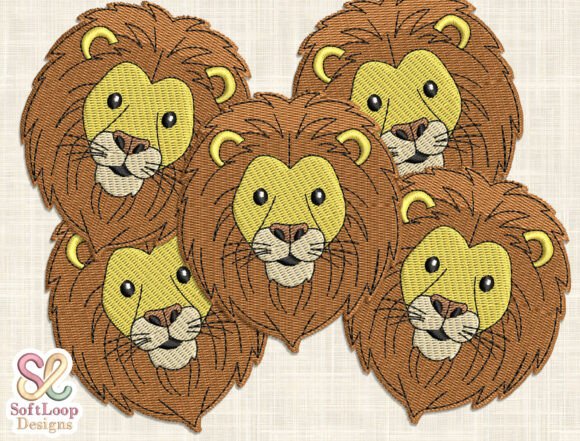
Lion Patch Embroidery Design Review
As I prepare my booth inventory for the upcoming weekend craft fair, every machine embroidery design in my lineup must earn its place on the table. Space is limited, and customer attention spans are even shorter. When evaluating the Lion Patch Embroidery Design for this season's collection, I am looking at more than just a cute graphic; I am assessing a potential bestseller that needs to perform across multiple product categories. Based on the description highlighting playful cartoon eyes with bold eyebrows and soft stitched details, this design presents a unique opportunity to bridge the gap between whimsical character art and functional handmade goods.
First Impressions and Booth Appeal
The first thing that strikes me about this design is the emphasis on expression. In the Animals category, we often see realistic portraits or generic silhouettes, but stylized eyes with personality stand out from a distance. For a busy market environment, visual clarity is paramount. The mention of "bold eyebrows" suggests high contrast and distinct outlines, which is exactly what catches a shopper’s eye from three feet away. This isn't a subtle, tone-on-tone monogram; it is a focal point.
However, the "soft stitched details" note serves as a crucial reminder for production. While bold lines sell from afar, texture sells up close. When a customer picks up an embroidered patch or touches a tote bag, they need to feel quality craftsmanship. This combination of graphic boldness with tactile softness makes the Lion Patch Embroidery Design versatile enough for both children’s items and trendy adult accessories. It avoids looking too juvenile while maintaining a sense of fun, which expands my potential customer base significantly.
Best Product Applications for Market Sales
Determining where to apply this digital embroidery file is just as important as the stitching itself. Based on the playful nature of the design, here is how I plan to integrate it into my craft fair product mix:
- Tote Bag Design: Canvas totes are my highest volume seller. Placing this lion face centrally on a natural cotton tote creates an instant conversation starter. The bold features will pop against unbleached canvas, making it an ideal tote bag design for impulse buys.
- Apron Embroidery: Kitchen linens require durability. Because the design features expressive eyes rather than intricate scenic backgrounds, it works beautifully as a chest logo or pocket accent on denim or linen aprons. It adds character without overwhelming the garment's function.
- Tea Towel Embroidery: Flour sack towels are a staple for Etsy seller inventories. The "cartoon eyes" aspect lends itself perfectly to humorous kitchen gifts. I can pair this with witty text below the lion to create themed sets that encourage multi-item purchases.
- Caps and Patches: Curved surfaces like caps can distort complex designs. However, a face focused on eyes and brows usually digitizes well for headwear because the key elements remain centered. Creating standalone patches allows customers to customize their own gear, adding a low-cost entry point to my booth.
Production Practicalities and Stitch Integrity
Before committing to batch production, I have to consider the technical realities of this embroidery file. The description mentions "soft stitched details," which implies fill stitches or satin columns that mimic fur or shading. While beautiful, these areas demand careful attention to stitch density. If the density is too high on a lightweight tea towel, the fabric will pucker and feel stiff. Conversely, if it is too loose on a thick canvas tote, the design may look sparse or get lost in the fabric texture.
I also need to verify the sizing capabilities. Eyes rely heavily on proportion. If I scale this design down for a small pouch or baby bib, do the pupils and eyebrows maintain their definition? Tiny details are often the first casualty of resizing. As a professional, I would never assume a digital embroidery file scales perfectly without testing. The bold eyebrows are likely safe, but the softer details around the eyes might require needlework adjustments or size restrictions to prevent thread breaks or muddy visuals.
Critical Use Notes for Makers
For fellow boutique makers and creative entrepreneurs using this design, keep these practical constraints in mind:
- Fabric Contrast is Key: Since the selling point is the expression, ensure your thread colors contrast sharply with the base material. Dark thread on dark fabric will hide those expressive eyebrows.
- Stabilizer Selection: Do not skimp on support. For the soft stitched areas mentioned in the description, use a cut-away stabilizer on stretchy fabrics or knits to prevent distortion during wear and washing.
- Hoop Size Verification: Check your specific machine’s capabilities. Facial designs often require precise centering. Ensure you have the appropriate hoop size to accommodate the full design without excessive re-hooping, which increases registration errors.
- Curved Surface Caution: If applying this to caps, test the vertical spacing first. Faces can sometimes look stretched or squashed on curved brims depending on the original digitizing parameters.
Marketing and Visual Merchandising Strategy
A great handmade product needs great presentation. The Lion Patch Embroidery Design has strong potential for online listings and booth signage. Because the design is character-driven, it photographs exceptionally well. Expressive faces create emotional connections in thumbnails, which is vital for digital sales. When creating a printable mockup for my Etsy shop, I would focus on lifestyle shots showing the lion’s expression interacting with the user—perhaps peeking over a tote bag rim or centered on an apron pocket.
At the craft fair, grouping matters. I would avoid scattering lion items randomly. Instead, creating a dedicated "Wild & Playful" section helps build brand consistency. Mixing finished goods with raw design assets (like iron-on patches) caters to both end-consumers and fellow crafters. This dual approach maximizes revenue per square foot of table space. Furthermore, emphasizing the handmade quality of the soft stitching differentiates my work from mass-produced screen prints. Customers are paying for the texture and the artisanal touch that only commercial embroidery machines can provide when operated by a skilled maker.
Designer’s Pre-Production Checklist
Never send a new design straight to a final product. My standard protocol for integrating the Lion Patch Embroidery Design includes:
- Test on Scrap Fabric: Always run a sew-out on the exact material intended for the final product. A test on felt behaves differently than a test on linen.
- Inspect Registration: Check where the bold eyebrows meet the softer eye details. Misalignment here ruins the expression instantly.
- Review Licensing: Confirm the commercial licensing terms before selling. Just because a file is purchasable doesn't always mean finished products can be sold at markets.
- Create Real Mockups: Digital renders are useful, but a photo of the actual stitched sample builds trust. Show the back of the patch or the inside of the hoop to demonstrate clean finishing.
- Check Thread Tension: Bold outlines require perfect tension. Loopy top threads will make the lion look messy rather than playful.
Ultimately, the Lion Patch Embroidery Design offers a fantastic blend of personality and production viability for the upcoming market season. By respecting the technical requirements of the soft stitching and leveraging the bold visual appeal of the cartoon eyes, this design can anchor a profitable product line. Whether applied to a sturdy market bag or a delicate gift item, success lies in matching the design’s inherent mood with the right substrate and presenting it with professional confidence. For any small shop product lineup, this level of intentionality is what separates hobbyist output from a sustainable embroidery business.