Minimalist Woman Line Art: A Merch Review
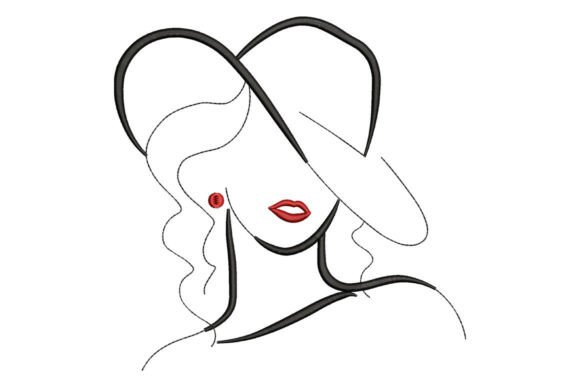
As an embroidery designer who regularly consults with small businesses on merchandise production, I approach every new machine embroidery design with a critical eye toward commercial viability. When reviewing the Minimalist Woman Line Art Embroidery file, my primary focus is not just aesthetic appeal, but how this digital asset translates into profitable, durable branded goods. This design features a minimalist line art portrait of a woman wearing a wide-brim hat, utilizing flowing black stitches to create a graceful silhouette. For business owners in the beauty sector, boutiques, or creative studios, this design offers distinct advantages and specific technical considerations that must be addressed before running a production batch.
First Impressions and Brand Personality
Upon loading the embroidery file, the immediate impression is one of sophisticated elegance. The single-needle aesthetic mimics hand-drawn illustration, which communicates a premium, artisanal quality essential for modern brand identity. Unlike dense fill designs that can feel heavy or industrial, this line art style feels breathable and contemporary. For a bakery, florist, or handmade skincare brand, this visual language suggests care and attention to detail. However, because the design relies entirely on line work rather than solid blocks of color, it demands precision. There is no room for registration errors; the "flowing black stitches" mentioned in the description must be perfectly smooth to maintain that professional finish. If your brand leans toward rustic or playful, this design might feel too formal, but for businesses aiming for a chic, modern, or classic aesthetic, it is a strong contender.
Commercial Applications for Small Business Merch
The versatility of Minimalist Woman Line Art Embroidery makes it a valuable asset for various small business merch applications. Because line art generally has lower stitch counts than filled portraits, it is cost-effective for bulk runs while retaining high perceived value.
- Tote Bag Design: This is perhaps the ideal application. Canvas tote bags provide a stable, flat surface that allows the fine lines of the hat brim and facial profile to remain crisp. The design serves as an excellent reusable shopping bag marker for boutiques or market vendors.
- Apron Embroidery: For cafes and salons, placing this design on the chest or pocket area of an apron adds a touch of femininity and professionalism without overwhelming the uniform. It acts as a subtle logo accent rather than a loud advertisement.
- Embroidered Patch Production: The continuous line nature of this design lends itself well to merrowed edge patches. These can be used as add-on branding for packaging, customer gifts, or limited-edition apparel drops.
- Custom Apparel Accents: On work shirts or linen blouses, the design works beautifully as a sleeve detail or cuff embellishment, offering a unique alternative to standard left-chest logos.
Technical Constraints and Fabric Considerations
While aesthetically pleasing, line art requires careful handling in commercial embroidery environments. As a designer, I must highlight where caution is necessary to avoid wasted materials and poor finished product quality.
Stitch Density and Registration
Line art is unforgiving. In the Minimalist Woman Line Art Embroidery design, the "subtle details" rely on precise stitch placement. If your machine tension is off, or if the stabilizer is insufficient, the lines will appear jagged or wobbly. You cannot hide mistakes under layers of satin stitch. Always use a high-quality cut-away stabilizer for knits and a tear-away or wash-away for wovens to ensure the fabric does not pucker around those delicate curves.
Fabric Texture Compatibility
The fabric texture dictates success. Highly textured fabrics like terry cloth, fleece, or loose-weave linens are risky for this specific design. The thin running stitches or narrow satin columns defining the woman’s silhouette can sink into the pile of the fabric, causing the image to disappear or look broken. This design performs best on smooth, tightly woven surfaces like poplin, denim, canvas, or twill. If you must embroider on a textured surface for cap embroidery or towels, consider using a water-soluble topping to keep the stitches visible and defined.
Sizing Limitations
Do not assume this design scales infinitely. While it looks elegant at 4 inches, reducing it to a 1-inch lapel pin size may result in lost detail. The hat brim and facial features have a minimum legible size. Before committing to small patch sizes, verify the digitizing supports reduction. Often, line art must be re-digitized specifically for micro-sizes to prevent thread breaks and muddy details.
Impact on Customer Trust and Product Value
In the beauty and lifestyle sectors, presentation is synonymous with quality. Using a refined design like Minimalist Woman Line Art Embroidery signals to customers that the business invests in its visual assets. A sloppy, dense, or pixelated embroidery job devalues a handmade product, whereas clean, intentional line art elevates it. This design fosters a sense of intimacy and artistry that resonates with buyers looking for authentic connections. When used consistently across design assets—from staff uniforms to event merch—it builds visual recognition. Customers begin to associate that specific graceful silhouette with your brand's promise of elegance and care.
Designer Notes for Production Success
To ensure this digital embroidery file delivers professional results, follow this pre-production checklist:
- Verify Licensing: Before selling any item featuring this design, confirm the commercial license terms. Ensure you are permitted to sell physical products and determine if there are limits on production quantity.
- Create a Printable Mockup: Never skip this step. Place the design digitally on photos of your actual blanks (aprons, caps, bags) to visualize scale and placement. Share this printable mockup with clients or stakeholders for approval before stitching.
- Test Thread Colors: Although described as having "flowing black stitches," test the design in white or metallic threads if your merchandise requires light-colored branding. Contrast is key; black thread on navy fabric will fail to read clearly.
- Check Hoop Size: Confirm the design dimensions fit your available hoops without excessive empty space, which can lead to stabilization issues. If resizing is needed, do so within safe limits (usually +/- 10-20%) to preserve stitch integrity.
- Run a Physical Sample: Stitch out the design on the exact material intended for production. Inspect the back for bobbin tension issues and the front for clarity. Wash the sample once to ensure the line art holds up to laundering, especially for custom apparel and uniforms.
- Compare Beside Other Assets: Print your current logo and place it next to a stitch-out of this design. Ensure the visual weight matches. If your text logo is bold and heavy, this delicate line art might need to be scaled up or paired with a bolder element to maintain balance.
The Minimalist Woman Line Art Embroidery design is a powerful tool for businesses seeking to blend artistic expression with commercial utility. By respecting the technical requirements of line art and strategically applying it to compatible surfaces, small business owners can transform a simple digital file into a cornerstone of their branded merchandise strategy. Always prioritize testing and fabric compatibility to ensure the final embroidered piece reflects the elegance promised by the design itself.