Line Art Flower Embroidery Design Review
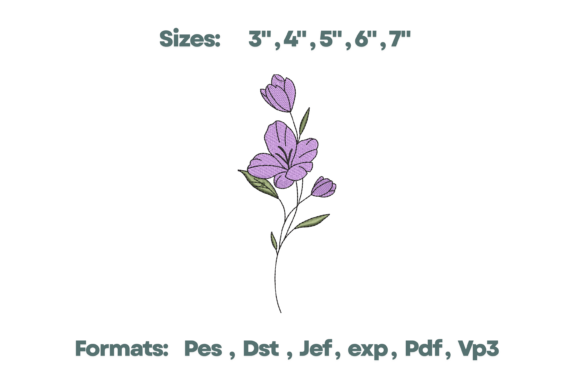
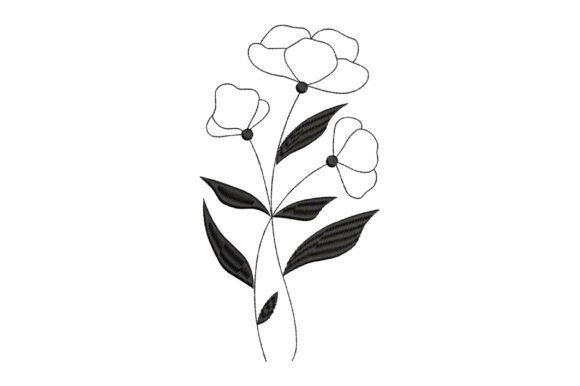
As I prepare my booth inventory for the upcoming weekend craft fair, I am constantly evaluating which digital assets will translate best into physical sales. This season, I am testing the Line Art Flower Embroidery Design to see if it meets the rigorous demands of both in-person shoppers and online buyers. When reviewing a new machine embroidery design, my primary concern is always versatility. Does this design have the visual weight to stop a customer walking past my table? Can it be produced efficiently in batches without sacrificing the handmade quality that defines my brand? Based on the description featuring elegant single-line flowers combined with soft fills, this design appears to strike a necessary balance between modern minimalism and traditional charm.
First Impressions and Aesthetic Appeal
The immediate impression of the Line Art Flower Embroidery Design is one of sophisticated simplicity. In the current market, customers are moving away from overly dense, heavy designs toward airy, artistic aesthetics that allow the fabric texture to breathe. This design feels distinctly modern yet timeless, avoiding the cluttered look that can sometimes make embroidered patches or apparel feel dated. The combination of single-line elements suggests a delicate touch, while the mention of "softly" filled areas implies there is enough substance to create contrast against linen or cotton.
For an Etsy seller or boutique maker, this aesthetic is gold. It reads as premium rather than mass-produced. The line art style photographs exceptionally well for printable mockups and social media because the high contrast between the thread and the negative space creates a clean image even on small mobile screens. Unlike complex floral arrangements that can turn into a muddy blob in thumbnail photos, this design maintains its integrity at every size, making it ideal for digital listings where visual clarity drives click-through rates.
Performance Across Craft Fair Products
When planning a table display, I need products that showcase the design's strengths. Here is how I evaluate the Line Art Flower Embroidery Design across key inventory categories:
- Tote Bag Design: This is likely the strongest application. Canvas totes provide a stable, flat surface that allows single lines to remain crisp. The artistic nature of the flower elevates a standard utility bag into a fashion accessory. As a tote bag design, it appeals to the eco-conscious shopper looking for something unique but not loud.
- Tea Towel Embroidery: Linen tea towels are a staple handmade product. The elegance of this floral motif fits perfectly with kitchen decor. However, because line art relies on precision, I would avoid waffle-weave textures here. Smooth linen or flour sack cotton ensures the delicate lines do not get lost in the fabric texture.
- Apron Embroidery: For apron embroidery, placement is everything. This design works beautifully as a chest accent or a lower hip detail. It adds value to the garment without overwhelming the wearer. The soft fill areas mentioned in the description add just enough coverage to prevent the apron fabric from showing through too aggressively.
- Pillow Covers and Pouches: These items allow for larger hoop sizes. Scaling up the Line Art Flower Embroidery Design highlights the artistry of the digitizing. On a pillow cover, the negative space becomes part of the design, creating a calming, decorative effect that suits modern farmhouse or boho interiors.
Production Efficiency and Batch Viability
For any small shop product line, time is money. A design might be beautiful, but if it takes three hours to stitch out, it destroys profit margins. Line art designs generally offer superior production speed compared to full-fill florals. The Line Art Flower Embroidery Design likely features significant run stitching and satin stitches rather than dense tatami fills. This means faster run times and less thread consumption.
This efficiency makes it an excellent candidate for batch production. I can hooping multiple tote bags or tea towels and run them consecutively without excessive machine wear. Furthermore, the design’s repeatability aids in brand consistency. Whether applied to a cap, a pouch, or a towel, the cohesive visual language ties my entire booth display together. Customers often buy sets when they see a unified theme; seeing this same elegant flower across different products encourages multi-item purchases.
Critical Technical Considerations
Despite its apparent versatility, a professional review must address potential pitfalls. Line art is unforgiving. Because there are fewer stitches to hide errors, registration issues become immediately visible. Before committing this digital embroidery file to commercial production, consider these technical factors:
- Stabilizer Selection: Single-line flowers require absolute stability. If the fabric shifts even a millimeter, the lines will look jagged. For stretchy fabrics or knits, use a cut-away stabilizer. For woven linens used in tea towel embroidery, a medium-weight tear-away may suffice, but test first.
- Fabric Texture Compatibility: Avoid highly textured surfaces like terry cloth or chunky knits unless you use a water-soluble topping. The delicate lines of this design will sink into pile fabrics and disappear. Smooth, tight-weave fabrics are non-negotiable for maintaining the intended elegance.
- Hoop Size and Tension: Verify your hoop size before purchasing. While line art scales well, scaling down too far can cause satin stitches to become too thin or run stitches to vanish. Conversely, scaling up requires checking if the digitizer included adequate underlay to prevent puckering on larger spans.
- Thread Contrast: This design relies on visibility. Test thread colors against your base fabrics. A cream thread on white linen will fail to show the intricate details. High-contrast pairings (e.g., charcoal on oatmeal, sage green on ivory) ensure the artistic intent translates to the finished product.
Designer Notes for Commercial Success
Before listing this as a craft fair product or adding it to my Etsy shop, I follow a strict validation protocol. First, I always stitch a test sample on the exact fabric I intend to sell. Digital previews cannot replicate real-world tension issues. Second, I inspect the stitch density in my editing software. If the single lines lack proper underlay or pull compensation, I will manually adjust them to prevent distortion during washing.
Additionally, confirm the licensing terms. Just because you bought the embroidery file does not automatically grant unlimited commercial embroidery rights. Ensure you are cleared to sell finished goods derived from this design. Finally, create at least one physical mockup for photography. While digital mockups are efficient, customers trust photos of real stitches. Showing the actual texture and sheen of the thread builds confidence in your handmade product quality.
The Line Art Flower Embroidery Design represents a strong opportunity for makers seeking to refresh their inventory with a contemporary, versatile motif. Its blend of elegance and production efficiency makes it suitable for everything from high-margin tote bags to giftable tea towels. By respecting the technical requirements of line art and validating the design through rigorous testing, this floral motif can become a cornerstone of a profitable, aesthetically cohesive embroidery business. Always remember that in our industry, the difference between a hobbyist and a professional lies in the attention to these practical, tangible details.