Lavender Flower Embroidery Design: A Business Review
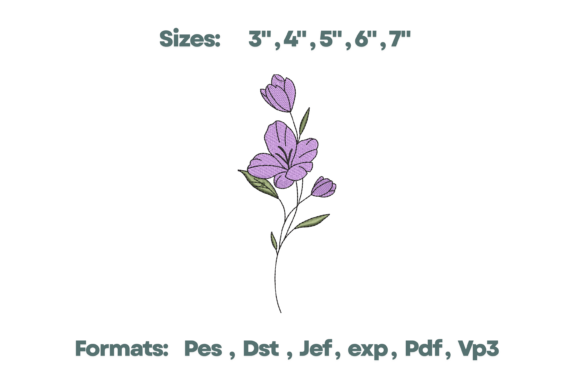
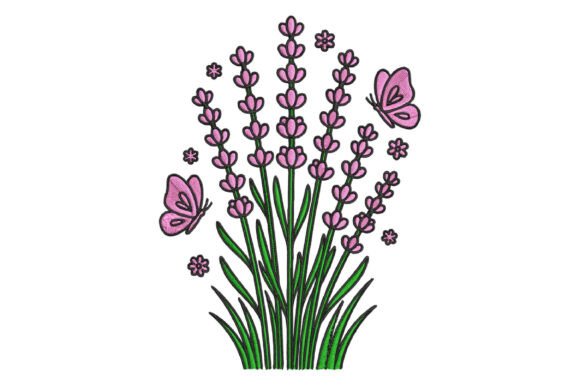
As a professional embroidery designer specializing in commercial merchandise, I approach every new machine embroidery design with a critical eye toward production viability and brand alignment. When reviewing the Lavender Flower Embroidery Design for potential use in small business merchandising, my primary focus shifts beyond simple aesthetics to technical performance and marketability. This design, featuring delicate lavender stems paired with charming butterflies, presents a unique opportunity for brands seeking a soft, organic identity. However, translating this elegance into durable custom apparel or branded accessories requires careful consideration of stitch structure, fabric compatibility, and end-use application.
Visual Personality and Brand Alignment
The first impression of the Lavender Flower Embroidery Design is undeniably elegant and rustic. For a small business owner, this visual tone communicates specific values: tranquility, natural ingredients, handcrafted quality, and attention to detail. In the context of brand identity, this motif is exceptionally strong for florists, organic bakeries, wellness studios, pet grooming salons, and artisanal soap makers. Unlike bold, geometric logos that scream corporate efficiency, this embroidery file whispers authenticity.
For Etsy sellers and handmade product creators, this design bridges the gap between hobbyist charm and professional retail presentation. The inclusion of butterflies adds a dynamic element that prevents the floral motif from looking static or dated. However, businesses must ensure this softness aligns with their target demographic. While perfect for a boutique or café, it may lack the necessary authority for industrial safety gear or high-tech corporate uniforms. The design’s personality is inherently feminine and pastoral, making it a strategic asset for brands targeting customers who value sustainability and artisanal care.
Commercial Applications for Small Business Merch
When integrating the Lavender Flower Embroidery Design into a product line, versatility is key. Based on the description of delicate stems, this artwork performs best as an accent rather than a dominant centerpiece. Here is how I evaluate its utility across various small business merch categories:
- Apron Embroidery: This is perhaps the strongest application. Placed on the chest pocket area or the lower hem of a canvas apron, the lavender stems complement the vertical lines of the garment. It adds a premium touch to staff uniforms in cafes and flower shops without interfering with functional pockets or ties.
- Tote Bag Design: Natural cotton totes provide an ideal texture for botanical designs. The Lavender Flower Embroidery Design can serve as a central branding element for eco-friendly packaging or customer gift bags. The organic theme reinforces the reusable nature of the bag itself.
- Embroidered Patch Production: For businesses wanting flexibility, converting this design into a merrowed-edge patch is highly effective. Patches allow you to apply the branding to varied inventory, from denim jackets to canvas backpacks, without committing to direct embroidery on every item.
- Cap Embroidery: Caution is required here. While the design is beautiful, cap fronts are curved and limited in vertical space. The vertical orientation of lavender stems can be challenging on a structured cap. I recommend testing a resized version specifically digitized for headwear curvature before bulk production.
Technical Considerations and Production Risks
A pretty picture does not always equal a good digital embroidery file. As a designer, I must highlight where the Lavender Flower Embroidery Design requires technical vigilance during production. The phrase "delicate lavender stems" suggests fine lines and potentially low stitch density. While visually appealing, thin stems can disappear or break on textured fabrics like terry cloth or heavy canvas.
Stitch Density and Fabric Texture: If you are embroidering on high-pile fabrics or dark uniforms, verify that the underlay stitching is sufficient to support the top stitches. Delicate botanical elements often require a stabilizer that prevents puckering while maintaining the drape of the garment. Always test on the exact fabric texture you intend to use; a design that looks crisp on quilting cotton may lose definition on a knit polo shirt.
Sizing Limitations: The addition of butterflies introduces small detail work. If you plan to resize this design down for sleeve cuffs or hat sides, inspect the butterfly wings closely. Details smaller than 2mm can become thread nests or blur together. There is a minimum viable size for this specific artwork; pushing it too small will compromise the professional finish of your finished product.
Washability: For staff uniforms and aprons, durability is non-negotiable. Ensure the satin stitches or fill patterns used in the lavender buds are locked properly. Loose threads on delicate flowers are the first to fail in industrial laundering. If the design uses excessive jump stitches between the stems and butterflies, these must be trimmed meticulously to prevent snagging during wear and wash cycles.
Strategic Value and Customer Perception
Investing in high-quality commercial embroidery is about more than decoration; it is about perceived value. When a customer receives a tote bag or purchases a product featuring the Lavender Flower Embroidery Design, they subconsciously assess the quality of the stitching. Clean registration, appropriate thread tension, and thoughtful placement signal that the business cares about excellence.
This design specifically enhances the "handmade" narrative. In an era of mass production, a botanical motif suggests human involvement and natural processes. For creative studios and craft businesses, this visual cue validates higher price points. It transforms a generic blank garment into a branded asset that customers want to keep and reuse. Furthermore, consistent use of this design across design assets—from physical merchandise to printable mockups on your website—builds visual recognition and trust over time.
Designer Notes for Successful Implementation
Before loading this embroidery file into your machine for a full production run, follow this professional checklist to ensure business-grade results:
- Verify Specifications: The product description highlights the aesthetic but lacks technical data. You must confirm the exact stitch count, recommended hoop size, and included file formats before purchase to ensure compatibility with your equipment.
- Check Licensing: Confirm that the license permits commercial use on merchandise for sale. Some files are restricted to personal crafting only; protect your business by verifying commercial embroidery rights.
- Run a Black and White Test: Print a line drawing or run a trace stitch to visualize spacing without wasting thread. This helps determine if the butterflies are proportionate to the stems at your desired size.
- Evaluate Thread Colors: Lavender varies from pale lilac to deep purple. Select thread colors that offer enough contrast against your base fabric. Pale lavender on white fabric will vanish; consider outlining or shading to maintain visibility.
- Stabilizer Selection: Match your stabilizer to the garment weight. Use cut-away for knits and stretchy apparel to prevent distortion of the delicate stems; use tear-away only for stable, woven fabrics like canvas totes.
- Create Client Mockups: Before stitching 50 aprons, create a digital or physical sample. A printable mockup allows clients to approve placement and scale, preventing costly rework later.
- Compare Against Other Assets: Place this design beside your existing logo or typography. Ensure the style of the lavender matches your current branding. If your logo is bold and industrial, this delicate floral might clash unless used as a specific seasonal or product-line accent.
The Lavender Flower Embroidery Design offers significant potential for businesses in the Single Flowers category looking to elevate their merchandise. By treating this design as a technical component of your brand strategy rather than just a decorative add-on, you ensure that every stitched stem and butterfly contributes to a cohesive, professional, and profitable product line. Always prioritize testing and verification to translate digital beauty into tangible business value.