Kawaii Chibi Mushroom Machine Embroidery Review
As a professional embroidery designer specializing in commercial merchandise and branded assets, I approach every new machine embroidery design with a critical eye toward production viability. When evaluating the Kawaii Chibi Mushroom Machine Embroidery for small business applications, my primary focus shifts from pure aesthetics to functional versatility. While this motif is categorized under Nursery due to its adorable nature, its clean lines and distinct silhouette make it a surprisingly strong contender for boutique branding, café merchandise, and creative studio identity. This review analyzes how this specific embroidery file performs when translated from a digital screen to a tangible, sellable product.
Visual Personality and Commercial Appeal
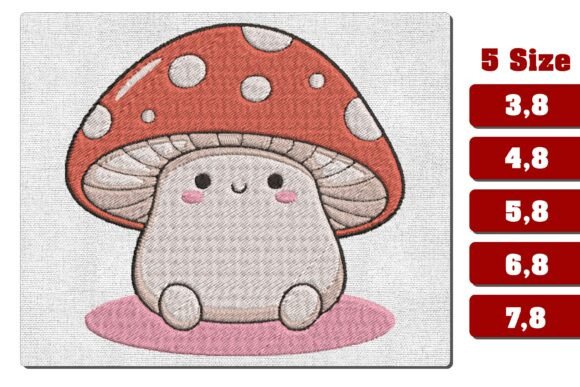
The first impression of the Kawaii Chibi Mushroom Machine Embroidery is undeniably friendly and approachable. The description highlights a tiny, rounded mushroom character with a blushing face and sweet smile, which immediately signals a "handmade" and "artisanal" vibe. For businesses like florists, bakeries, pet brands, or children’s boutiques, this visual language communicates warmth and trustworthiness without needing text. Unlike complex illustrative designs that can become muddy when scaled down, the chibi style relies on bold shapes and simplified features. This makes the design inherently readable at smaller sizes, a crucial factor for small business merch where logo real estate is often limited.
However, professionalism in embroidery comes from execution. The "large spotted" cap mentioned in the product details offers an excellent opportunity for color blocking. From a digitizing perspective, these spots should be distinct satin or fill stitches rather than printed overlays to maintain texture. If executed correctly, the contrast between the mushroom cap and the blushing face creates depth that elevates the finished product above generic clip art. It feels premium because the kawaii aesthetic currently aligns perfectly with modern cottagecore and cozy branding trends popular on platforms like Etsy.
Real-World Applications for Small Business Merch
In my experience outfitting creative studios and local shops, this design shows exceptional promise across several key categories. Its compact, rounded geometry makes it ideal for locations where rectangular logos fail.
- Embroidered Patches: The circular/oval footprint of the mushroom is perfect for PVC or traditional thread patches. It works beautifully as a morale patch for staff uniforms or as a standalone branded accessory sold at point-of-sale.
- Apron Embroidery: For cafés and florists, placing this design on the chest pocket area of a canvas apron adds personality without interfering with functional pockets or straps. The blushing face acts as a subtle mascot that humanizes the brand.
- Cap Embroidery: Curved surfaces are the enemy of large designs. Because this motif is "tiny and rounded," it sits flat on unstructured dad hats or beanies without puckering. It serves as an excellent center-front accent or a side-logo detail.
- Tote Bag Design: Canvas totes require bold visuals to stand out. This design can be used as a repeating pattern or a singular, centered statement piece. It appeals to customers looking for reusable bags that feel like fashion accessories rather than walking billboards.
- Product Packaging Accents: Beyond apparel, consider stitching this directly onto linen drawstring bags for jewelry or soap packaging. It transforms simple packaging into a keepsake, increasing perceived value.
Production Constraints and Technical Considerations
Despite its charm, the Kawaii Chibi Mushroom Machine Embroidery requires careful handling during production. As designers, we must anticipate where cute translates to problematic stitch data.
Managing Stitch Density and Fabric Texture
The "blushing face" and facial features are the highest risk areas. In machine embroidery, small facial details can easily become bulletproof if the stitch density is too high. Before running this on custom apparel, you must verify that the underlay is appropriate for your target fabric. On textured fabrics like terry cloth or fleece (common in nursery items), the fine details of the smile may get lost. I recommend testing on a similar scrap fabric first. If the face loses definition, you may need to slightly enlarge the design or simplify the facial expression in your editing software to ensure clarity.
Hoop Size and Stabilizer Selection
Because this is a small motif, users might be tempted to use minimal stabilization. Do not do this. Even small designs generate significant pull compensation forces. For cap embroidery or stretchy knits, use a cut-away stabilizer to prevent distortion of the round mushroom shape. Always confirm the exact hoop size requirements before purchasing the digital embroidery file. While the design is small, ensuring you have adequate margin around the motif prevents hoop burn on delicate merchandise.
Color Contrast and Thread Colors
The success of a kawaii design hinges entirely on thread colors. A blush pink that looks soft on screen might disappear against a red apron or look garish against neon green. Create a physical thread chart comparison before bulk production. For dark uniforms, ensure the outline is light enough to define the shape; otherwise, the mushroom will visually merge into the background. High contrast is essential for brand recognition at a distance.
Impact on Brand Identity and Customer Trust
Using the Kawaii Chibi Mushroom Machine Embroidery strategically can significantly enhance brand identity. In a saturated market, businesses often struggle to differentiate themselves through typography alone. Adding a proprietary or licensed mascot-like element creates an emotional hook. Customers associate the care required to embroider such a detailed, sweet image with the care the business puts into its products.
For Etsy sellers and handmade creators, this design bridges the gap between amateur crafting and professional merchandising. It signals that the seller understands current aesthetic trends while investing in durable, high-quality decoration methods. However, consistency is key. Using this design on an apron, then switching to a completely different art style for stickers, dilutes the effect. Treat this mushroom as a core component of your design assets library, ensuring it appears consistently across touchpoints to build long-term recognition.
Essential Designer Notes for Commercial Success
Before adding this to your production queue, follow this professional checklist to ensure your investment yields returns:
- Verify Commercial Licensing: Never assume a machine embroidery design is cleared for merchandise. Check the specific license terms included with the Kawaii Chibi Mushroom file. Ensure you are permitted to sell finished goods featuring this motif.
- Create a Printable Mockup: Before stitching, place the digital file over photos of your actual blank merchandise. This helps visualize scale and placement relative to seams, pockets, and zippers. Share this printable mockup with clients for approval to avoid costly re-stitches.
- Test in Black and White: Run a grayscale test stitch-out. This reveals whether the design relies too heavily on color differentiation or if the structural stitching holds up on its own. Good digitizing should read well even without color.
- Audit Small Patch Viability: Specifically test the minimum size. Can the blushing face still be seen at 2 inches wide? If not, establish a minimum size policy for your shop to maintain quality standards.
- Check Washability: If using this for kids' items or workwear, wash-test a sample. Ensure the dense satin stitches on the mushroom cap don't cause fabric shrinkage or tunneling after laundering.
- Compare Beside Existing Assets: Print your current logo and this mushroom design at actual size. Place them side-by-side. Do they share a similar visual weight? Adjust sizing so neither overpowers the other on co-branded items.
The Kawaii Chibi Mushroom Machine Embroidery represents more than just a cute graphic; it is a versatile tool for building a warm, memorable brand presence. By respecting technical constraints regarding density, stabilizer, and color, small business owners can leverage this design to create professional commercial embroidery that resonates deeply with their audience. Whether applied to a barista's apron or a boutique's signature tote, this motif sprouts smiles and, more importantly, cultivates customer loyalty through thoughtful, high-quality craftsmanship.