Symbol of Slavic Embroidery Pattern Review
As a professional embroidery designer specializing in commercial merchandise, I approach every new machine embroidery design with a critical eye toward production viability and brand application. When reviewing the Symbol of Slavic Embroidery Pattern, specifically this intricate Cross amulet design, my primary focus is how it translates from a digital concept to a tangible asset for small business owners. This review evaluates the design not merely as cultural art, but as a functional component for custom apparel, patches, and branded goods.
Visual Personality and First Impressions
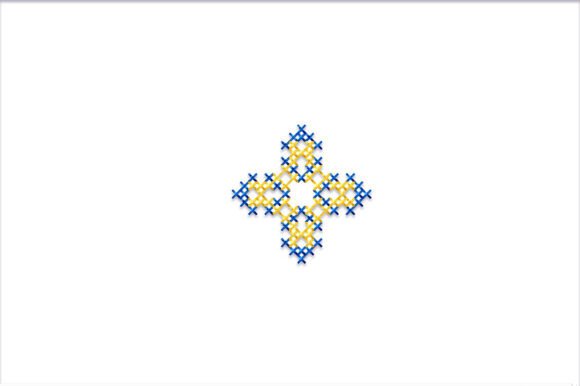
Upon loading the embroidery file, the immediate impression is one of structured elegance and historical weight. Although categorized under Mandala due to its radial symmetry, this design reads distinctly as a protective emblem rather than simple decoration. For a business owner, this distinction is vital. The aesthetic is bold yet rustic, striking a balance between traditional craftsmanship and modern vector precision. It feels premium and intentional, avoiding the chaotic density that often plagues complex folk art digitizations.
For brands in the wellness, artisanal food, florist, or heritage craft sectors, this visual personality communicates trust and longevity. The Cross motif serves as a strong focal point that anchors a layout without overwhelming adjacent text or logos. It suggests a narrative of protection and care, which aligns perfectly with businesses that want to convey safety, tradition, or handmade quality. However, for ultra-modern tech startups or minimalist corporate entities, the ornate nature of this digital embroidery file may require careful styling to ensure it complements rather than conflicts with existing brand identity.
Commercial Applications for Small Business Merch
The true test of any design is its versatility across different small business merch applications. Based on the structural integrity of the Symbol of Slavic Embroidery Pattern, I see high potential in several specific commercial use cases.
- Embroidered Patches: This design is an excellent candidate for woven or embroidered patches. The central cross provides a natural border zone for merrowing. As a patch, it functions beautifully as a collectible add-on for boutique purchases or as a morale booster for staff uniforms.
- Apron Embroidery: For bakeries, florists, and potters, placing this amulet on the chest or pocket of an apron adds a layer of storytelling. It transforms a utilitarian garment into a conversation piece about heritage and protection.
- Tote Bag Design: Canvas totes offer a stable, flat surface ideal for this level of detail. The design holds up well against the coarse texture of natural cotton, making it perfect for market vendors or eco-conscious brands.
- Cap Embroidery: While usable on caps, this requires strategic placement. The center front panel can accommodate the design if resized correctly, but side profiles may be safer to maintain stitch clarity on curved surfaces.
- Product Packaging Accents: Beyond apparel, consider stitching this onto fabric gift bags or reusable wrapping. It elevates the unboxing experience and reinforces the value of the handmade product inside.
Production Constraints and Technical Considerations
While the Symbol of Slavic Embroidery Pattern is visually stunning, commercial embroidery demands technical pragmatism. There are specific environments where this design must be handled with care to avoid production failures or poor finished product quality.
Fabric Texture and Stabilizer Selection
Intricate folk designs often contain varying stitch density. When applying this to textured fabrics like linen or heavy canvas, you must use adequate stabilizer. A cutaway stabilizer is generally recommended over tear-away for designs with this level of detail to prevent puckering and ensure registration remains tight. On performance wear or stretchy knits, the dense center of the cross could cause tunneling; testing on a scrap of the actual garment fabric is non-negotiable before running a full production batch.
Sizing and Detail Retention
Resizing is the most common pitfall with complex symbols. If you reduce this design for a small sleeve cuff or hat logo, verify that the internal details do not merge. Thread colors that look distinct at 4 inches may blend into a muddy mass at 1.5 inches. Always check the minimum recommended size in your software. Conversely, enlarging the design for a jacket back may expose gaps in coverage if the original digitizing did not account for scaling. Maintain the aspect ratio strictly to preserve the geometric harmony of the amulet.
Washability and Durability
For staff uniforms or items requiring frequent laundering, inspect the outline stitches. Decorative satin stitches are beautiful but can snag in industrial washers. If this design is intended for high-wear work shirts, consider requesting or modifying the file to use running stitch outlines or reinforced edges to enhance durability without sacrificing the traditional look.
Impact on Brand Value and Customer Engagement
Integrating the Symbol of Slavic Embroidery Pattern into your product line does more than decorate; it signals values. In a marketplace saturated with generic clip art, using culturally significant, thoughtfully digitized imagery demonstrates respect for craft and attention to detail. This directly influences customer perception of value.
When customers see high-quality apron embroidery or a crisp patch featuring this symbol, they subconsciously associate those qualities with your core products. It builds a cohesive visual language across your design assets. Furthermore, the story behind the amulet—protection and warding off negativity—provides marketing copy opportunities. You are not just selling a tote bag; you are offering a vessel of good wishes. This emotional connection drives engagement and loyalty far better than standard branding alone.
Designer Notes for Pre-Production Success
Before committing this machine embroidery design to production, follow this professional checklist to ensure commercial success:
- Verify Licensing: Confirm that your purchase includes commercial rights for merchandise resale. Personal use licenses do not cover commercial embroidery for sale.
- Test in Monochrome: Run a test stitch-out in black thread on white fabric first. This reveals registration issues and density problems that multi-color runs might hide.
- Create a Printable Mockup: Before hooping expensive inventory, place a physical printout of the design on the actual item. Photograph it to visualize scale and placement relative to seams, pockets, and zippers.
- Check Thread Contrast: Ensure your chosen thread colors provide sufficient contrast against the base fabric. Traditional red-on-white is classic, but gold-on-navy or cream-on-denim offers modern versatility for business branding.
- Confirm Hoop Size: Verify the design fits comfortably within your machine’s maximum embroidery area with room for hoop clearance. Do not rely solely on software previews; measure physically.
- Compare Beside Other Assets: Print the design at actual size and place it next to your current logo. Ensure the visual weight matches so neither element looks subordinate or overpowering.
The Symbol of Slavic Embroidery Pattern offers small businesses a unique opportunity to merge cultural depth with commercial utility. By respecting the technical requirements of stitch density, stabilization, and appropriate sizing, this design can become a cornerstone of a distinctive, trustworthy, and professionally executed merchandise line. Always prioritize testing and verification to ensure the final embroidered result honors both the tradition of the symbol and the standards of your brand.