Sweet Pink Bow Bunny Embroidery: A Designer’s Review
When evaluating a new machine embroidery design for potential inclusion in a boutique collection or custom order lineup, my criteria go far beyond how cute the digital preview looks. As designers and makers, we need to know how the file behaves under the needle, how it interacts with various substrates, and whether it delivers the perceived value our customers expect. After reviewing the Sweet Pink Bow Bunny Embroidery, I see a pattern that genuinely understands the assignment of creating high-quality, boutique-style items. The mood is undeniably soft and nostalgic, evoking a sense of gentle sweetness that is perfect for spring collections, nursery decor, and personalized gifts. However, translating that digital charm into a tangible finished product requires understanding the nuances of its construction and application.
First Impressions and Visual Personality
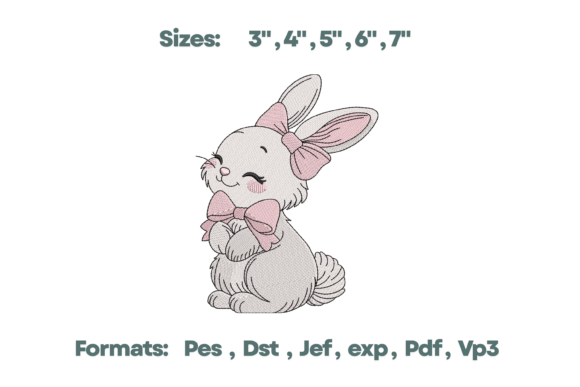
My initial assessment of this embroidery file focused on its visual hierarchy and emotional resonance. The design avoids the cluttered, overly dense aesthetic that plagues many holiday-themed patterns. Instead, it relies on clean lines and balanced negative space, which immediately signals a more professional, modern vintage appeal. The pink bow serves as an excellent focal point without overwhelming the bunny’s form, creating a layout that feels intentional rather than accidental. For an Etsy seller or small shop product creator, this visual clarity is crucial. It reads well in thumbnail photos and maintains its integrity when scaled for different uses. The personality here is "heirloom sweet" rather than "cartoon bright," making it versatile enough for both baby items and adult apparel like sweatshirts or tote bags where a subtle nod to Easter or spring is desired without being juvenile.
Real-World Application: Stitching a Custom Sweatshirt
To truly judge performance, I mentally walked through a recent client request: a custom embroidered crewneck sweatshirt for a toddler’s spring birthday party. This scenario tests the design's adaptability because fleece-backed sweatshirt fabric has texture and stretch that can distort delicate details. The Sweet Pink Bow Bunny Embroidery shines here because of its likely balance between satin stitch outlines and fill stitch interiors. If the design were entirely dense satin, it would create a stiff, bulletproof patch on a soft garment. The gentle detailing mentioned in the product description suggests a smarter digitizing approach, possibly incorporating running stitch elements or lighter fill densities that allow the fabric to drape naturally.
For this specific project, the design acts as a centerpiece. When positioning it on a sweatshirt, I found the aspect ratio pleasing for center-chest placement. It also scales down beautifully for a pocket-sized accent on a cardigan or up for a statement piece on a tote bag design. In a commercial embroidery context, this versatility reduces the need to purchase multiple variations of the same motif. For those creating personalized gift sets, pairing this bunny with a simple name in a complementary script font creates a cohesive, high-value bundle that justifies premium pricing.
Fabric Considerations and Stabilizer Strategy
While the design is versatile, successful execution depends heavily on matching the stabilizer to your substrate. Because this pattern features fine details and a specific color palette, fabric choice dictates the outcome.
- Textured Fabrics: On terry cloth towels or nubby linen, the delicate features of the bow and bunny face may get lost. Use a water-soluble topping to keep stitches above the pile and ensure the thread colors pop against the background texture.
- Stretchy Knits: For baby embroidery on onesies or knit tees, cut-away stabilizer is non-negotiable. The design’s gentle detail requires a stable foundation to prevent puckering around the curves of the bow and ears.
- Dark Fabrics: Since the design relies on "sweet pink" tones, contrast is key. Test on dark backgrounds first; you may need to add a white underlay or adjust thread shades to maintain visibility and prevent the pink from looking muddy against navy or charcoal.
- Sheer or Lightweight Fabrics: Check the stitch density before hoisting organza or voile. If the design is too heavy, it will tear the fabric. This pattern appears suitable for light-to-medium weights, but always verify density settings for ultra-delicate materials.
Navigating Technical Constraints and Hoop Sizes
Every digital embroidery file has limits, and respecting them protects your brand reputation. Before listing a handmade product featuring this bunny, confirm your hoop size compatibility. While the design likely comes in multiple sizes, resizing can alter stitch characteristics. Enlarging too much may cause sparse coverage, while shrinking too aggressively can turn distinct satin columns into jagged lumps. For commercial embroidery businesses running multi-needle machines, test the color change sequence. Does the pink bow require excessive jumps? Efficient sequencing saves production time and reduces thread waste.
Be particularly cautious with curved surfaces like caps. Unless the design is specifically digitized for caps (with a bottom-up stitch direction and appropriate distortion compensation), flattening this bunny onto a structured hat front might result in registration issues. Stick to flat hoops for the best representation of the design’s intended geometry. Additionally, if you plan to use this as an applique design, verify that the tack-down and finish stitches align perfectly with your fabric cuts. Misalignment in appliqué instantly devalues the item.
Elevating Brand Value and Customer Trust
In the competitive landscape of craft business and online marketplaces, presentation is everything. The Sweet Pink Bow Bunny Embroidery offers a distinct advantage: it photographs exceptionally well. Clean, boutique-style designs translate better to printable mockups and social media marketing than chaotic, overly complex artwork. When customers see crisp stitching and thoughtful design placement, their trust in your craftsmanship increases. This design supports that perception by avoiding common digitizing pitfalls like unnecessary jump stitches or poor tension management in small areas.
For sellers offering design assets or finished goods, consistency builds recognition. Using this bunny across a coordinated collection—matching bibs, blankets, and big-sister shirts—creates a recognizable brand aesthetic. It signals to buyers that you curate your embroidery project selections with intention. Furthermore, because the style leans toward timeless sweetness rather than trendy meme culture, products made with this design have a longer shelf life, reducing dead stock risk for small business owners.
Essential Pre-Production Checklist for Makers
Before committing this design to a sellable product or client commission, run through this practical evaluation protocol:
- Test Stitch on Scrap: Never skip this step. Use the exact fabric and stabilizer combination intended for the final piece to check for puckering, registration, and density issues.
- Verify Licensing: Confirm whether your purchase includes commercial rights for selling finished physical products versus distributing the digital embroidery file itself. These are often separate licenses.
- Check Thread Contrast: View the design in black and white within your software to ensure tonal separation. If the pink bow blends into the bunny body in grayscale, it will lack definition in low-light product photos.
- Assess Washability: If making baby items or kitchen textiles, test wash the sample. Ensure the satin stitch edges hold up and the fill doesn't gap after laundering.
- Mockup Validation: Place the design on a realistic digital mockup to check scale relative to the garment. A 4-inch bunny looks vastly different on a newborn onesie versus an adult XL hoodie.
Ultimately, the Sweet Pink Bow Bunny Embroidery represents a solid investment for makers seeking to expand their spring and Easter offerings with something that feels fresh yet classic. Its success in your shop will depend less on the file itself and more on your thoughtful application of embroidery fundamentals. By respecting fabric interactions, testing thoroughly, and presenting the design with professional intention, you transform a digital asset into a cherished, high-value product that resonates with customers seeking genuine handmade quality.