Summer Lemon Embroidery Design Review
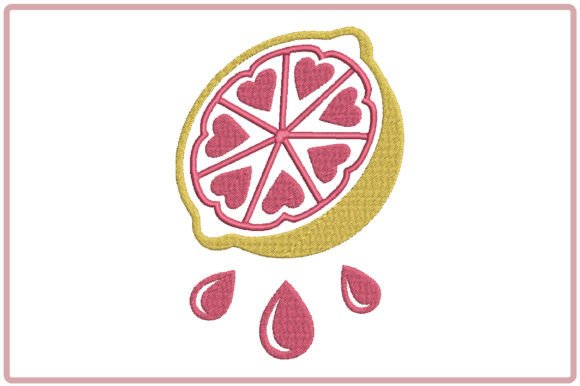
As a professional embroidery digitizer and product reviewer, I approach every new machine embroidery design with a critical eye toward production viability. When evaluating the Summer Lemon Embroidery Design, my first impression is one of cheerful utility. This isn't just a decorative graphic; it is a functional asset for seasonal merchandise. The vibrant yellow lemon slice motif immediately suggests freshness and warmth, making it an ideal candidate for summer collections. However, aesthetic appeal is only half the battle. For Etsy sellers, craft business owners, and apparel decorators, the true value lies in how this embroidery file performs under the needle and whether it translates into a sellable finished product.
First Impressions and Visual Personality
The Summer Lemon Embroidery Design captures a specific mood that balances nostalgia with modern cottage-core aesthetics. Visually, the lemon slice shape offers excellent geometric balance, which is crucial for centering on garments or accessories. Unlike complex floral arrangements that can lose definition at smaller sizes, this circular fruit motif maintains its integrity across various scales. The design feels intentional rather than generic. It possesses enough character to stand alone as a focal point on a pocket or cap, yet it remains simple enough to serve as a repeating pattern element on larger textiles like table runners or quilt blocks.
From a digitizing perspective, I look for clean transitions between stitch types. A high-quality lemon design should utilize satin stitch for the rind and pith segments to create smooth, reflective edges, while employing fill stitch for the flesh to add texture without excessive density. If the Summer Lemon Embroidery Design utilizes these techniques effectively, it will have a professional, tactile quality that distinguishes a handmade product from mass-produced factory goods. This visual clarity is what builds customer trust and justifies premium pricing in boutique settings.
Real-World Application: Stitching a Custom Tote Bag
To truly understand the commercial potential of this design, I mentally simulated a real-life production scenario: creating a custom canvas tote bag design for a farmer’s market vendor. Canvas is a textured, unforgiving fabric that demands precise stabilization and appropriate stitch density. In this context, the Summer Lemon Embroidery Design serves as the perfect branding anchor.
When stitching this onto natural canvas, the contrast between the bright yellow thread colors and the neutral background creates immediate shelf appeal. I envision placing the lemon slice slightly off-center above the handle attachment point. This placement ensures the design remains visible even when the bag is filled with produce. For this project, verifying the hoop size is essential. A 4x4 hoop might suffice for a subtle accent, but a 5x7 or 6x10 version would allow for accompanying text, such as "Fresh Picked" or the vendor's name, transforming the icon into a complete logo.
This application highlights the design's versatility. It works equally well for personalized gift items, such as monogrammed kitchen towels or aprons. The circular nature of the lemon slice frames monograms beautifully, allowing makers to offer tiered pricing for personalized versus non-personalized options. For small shop product lines, this flexibility maximizes the return on investment for a single digital embroidery file.
Critical Considerations for Fabric and Stabilizer
While the Summer Lemon Embroidery Design is versatile, it requires careful handling depending on the substrate. Not all fabrics accept citrus motifs with equal grace. Here are practical warnings based on production experience:
- Stretchy Knits and Sweatshirts: When planning sweatshirt embroidery or baby onesies, you must account for fabric distortion. Citrus segments often involve directional stitching. Without adequate cut-away stabilizer and proper hooping tension, the lemon can warp into an oval shape after washing. Always test on scrap knit fabric first.
- Textured Linens and Tea Towels: On open-weave fabrics, fine details like seeds or pith lines may get lost. You may need to increase the running stitch underlay or slightly thicken outline elements to ensure the design reads clearly against the fabric texture.
- Dark Fabrics: Yellow thread on navy or black fabric can sometimes appear transparent if the density is too low. Ensure the design includes sufficient underlay to prevent the dark fabric from showing through the bright yellow fill areas.
- Curved Surfaces: If adapting this for caps or curved sleeves, verify that the digitizer has accounted for push-pull compensation. Flat-digitized circular designs often distort on curved surfaces unless specifically optimized for hat hoops.
Commercial Viability and Product Value
For creative entrepreneurs, the Summer Lemon Embroidery Design represents more than just a pretty picture; it is a revenue driver. Seasonal inventory moves quickly, and having reliable, tested design assets reduces production risk. This motif fits seamlessly into multiple profitable niches:
- Nursery and Baby Items: Lemons are gender-neutral and trendy in nursery decor. Using this for baby embroidery on bibs, burp cloths, or crib sheets taps into the modern parenting aesthetic. Just ensure the back of the embroidery is covered or soft-backed to protect sensitive skin.
- Holiday and Wedding Gifts: Summer weddings often feature citrus themes. This design works elegantly on ring bearer pillows, bridal party robes, or welcome bags. Elevating the presentation with metallic gold thread for the rind can increase the perceived value significantly.
- Patches and Applique: If the file is structured as an applique design, it becomes incredibly efficient for bulk production. Creating an embroidered patch version allows you to sell add-ons for denim jackets or backpacks without re-hooping entire garments.
Furthermore, for those selling digital products, offering a printable mockup featuring this lemon design can boost conversion rates. Customers need to visualize the end result. Showing the Summer Lemon Embroidery Design on a realistic tote or towel template bridges the gap between digital file and tangible desire.
Designer Notes for Professional Results
Before listing any item made with the Summer Lemon Embroidery Design, adhere to these professional best practices to maintain brand consistency and quality:
- Verify Licensing: Always confirm whether your purchase includes commercial embroidery rights. Some licenses restrict usage to personal projects or limit the number of physical items you can sell. Never assume unlimited commercial use.
- Test Stitch Density: Run a sew-out on the exact fabric you intend to sell. Check for puckering, registration errors between color changes, and thread breaks. Adjust tension or stabilizer weight as needed before touching customer goods.
- Color Fastness: Bright yellow threads can vary wildly between brands. Test washability to ensure the lemon doesn't bleed onto white canvas or fade prematurely. Customer trust hinges on durability.
- Mockup Accuracy: When creating listings, do not rely solely on software renderings. Photograph actual stitched samples. Real photos show stitch direction, sheen, and scale far better than any digital embroidery file preview.
- Check Specifications: Since specific stitch counts and format compatibility were not provided in the initial brief, you must manually verify these details. Ensure the file format matches your machine (PES, DST, JEF, etc.) and that the dimensions fit your available hoops without resizing, which can alter stitch properties.
Final Verdict for Makers
The Summer Lemon Embroidery Design holds significant promise for seasonal collections. Its strength lies in its universal appeal and adaptability across custom apparel, home goods, and accessories. By treating this design as a professional production asset rather than a casual hobby stitch-out, makers can elevate their shop's aesthetic and operational efficiency. Remember that successful embroidery project outcomes depend less on the design itself and more on the maker's understanding of materials, stabilization, and market positioning. With proper testing and thoughtful application, this zesty motif can become a staple in your summer lineup, delighting customers and driving sales through authentic, well-crafted needlework.