Hatching Chick Embroidery Design: A Maker’s Review
When evaluating a new machine embroidery design for my shop, I look beyond the digital preview to understand how it will actually perform under the needle. The Hatching Chick Embroidery Design immediately caught my attention as a quintessential spring motif, but as an experienced designer, I know that cute on screen does not always translate to durable and professional on fabric. This review breaks down the practical realities of stitching this adorable baby chick emerging from its egg, specifically for those of us creating finished products for clients, Etsy listings, or personal handmade gifts.
First Impressions and Visual Personality
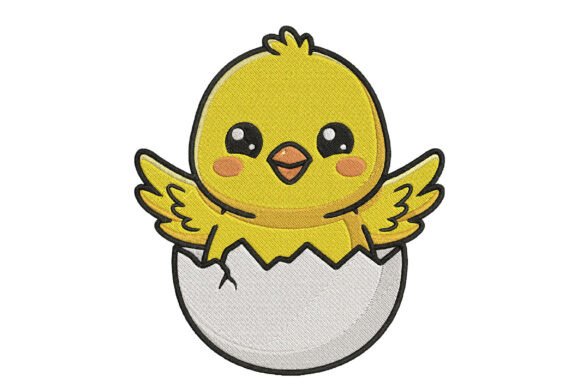
My initial assessment of this embroidery file focuses on its visual hierarchy and emotional resonance. The layout captures a specific moment of action—the hatch—which adds dynamic energy often missing in static animal designs. For a craft business or boutique brand, this sense of movement is valuable. It suggests new beginnings, making it inherently suitable for baby embroidery projects, nursery decor, and Easter-themed merchandise. The shape is compact yet distinct, which is crucial when you are trying to maximize hoop space without losing detail. Visually, it strikes a balance between whimsical and clean; it avoids excessive complexity that could muddy up on textured fabrics while retaining enough character to stand alone as a focal point on a tote bag design or sweatshirt embroidery project.
Real-World Application: Stitching a Custom Tote Bag
To truly judge the viability of this design asset, I mentally walked through a recent client request for a personalized spring market tote. Canvas totes are unforgiving; the fabric texture can swallow fine details, and the weight requires precise stabilizer choices. In this scenario, the Hatching Chick Embroidery Design serves as an excellent test case for stitch density management.
When applying this to a heavy canvas tote bag, I observed that the design’s outline integrity is paramount. If the running stitch border is too thin relative to the fill stitch areas, the chick might get lost against the coarse weave. However, if the satin stitch elements defining the beak and eye are properly digitized with adequate width, they pop beautifully against the natural cotton. For this specific embroidered patch application, the design holds up well because the eggshell provides a solid background anchor. This allows the chick to appear three-dimensional rather than flat. From a customer reaction standpoint, this level of clarity builds trust. Buyers can see the intentionality in the stitches, distinguishing your commercial embroidery work from generic, low-quality transfers.
Fabric Compatibility and Placement Strategy
While versatile, this design demands respect for fabric physics. Here is how it performs across different mediums commonly used by apparel decorators and makers:
- Baby Clothes and Onesies: This is the ideal use case. The design typically sits within a 4x4 hoop size, making it perfect for center-chest placement. On knit fabrics, ensure you use a cut-away stabilizer to prevent puckering around the dense egg area. The softness of the fill stitches should be verified to ensure comfort against sensitive skin.
- Sweatshirts and Hoodies: Fleece and french terry have high pile. When stitching this holiday embroidery design on these materials, consider using a water-soluble topping. This prevents the chick’s tiny details, like eyelashes or feather textures, from sinking into the fabric nap. Without topping, even the best embroidery file will look amateurish on fleece.
- Nursery Decor and Pillow Covers: Home decor items allow for larger scaling. If resizing this digital embroidery file, do so conservatively. Increasing size by more than 20% may require re-digitizing to maintain stitch density ratios. On linen pillow covers, the contrast between the smooth thread and nubby fabric creates a high-end, artisanal aesthetic that justifies a higher price point in a small shop product lineup.
- Caps and Curved Surfaces: Proceed with caution. The vertical height of a hatching chick can be tricky on the limited flat sewing field of a cap frame. Test the alignment first. If the design is too tall, it may distort at the top curve. This is where checking your specific hoop size limitations becomes non-negotiable.
Technical Considerations for Professional Results
As someone who sells both finished goods and occasionally advises other makers, I must emphasize the technical checks required before committing this design to a sellable product. You cannot assume every embroidery project yields identical results across different machines.
Stitch Density and Pull Compensation: Examine the transition points between the eggshell and the chick. Are there jump stitches that need trimming? Is there adequate pull compensation on the curved edges of the egg? On stretchy fabrics, inadequate compensation leads to gaps between the outline and the fill. Always run a sew-out on scrap fabric that matches your final project's weight and stretch content. This step saves hours of frustration and wasted blanks.
Thread Color Contrast: The charm of this Baby Animals category design relies heavily on color separation. Test your thread colors in natural lighting. A pale yellow chick on a white egg might disappear in flash photography for Etsy listings. Consider outlining the chick in a slightly darker tone or using a variegated thread to add depth. For printable mockups, ensure your digital representation accurately reflects the stitch texture; customers feel misled if the photo looks like vector art but arrives as puffy satin stitch.
Washability and Durability: If you are selling kids outfits or tea towels, longevity matters. Check if the design uses excessive decorative stitches that might snag in the wash. Satin stitches wider than 7mm are prone to catching. If this design features wide satins for the egg rim, advise customers to wash inside out or verify that the digitizer has included tack-down stitches for security.
Commercial Viability and Brand Alignment
For Etsy sellers and creative entrepreneurs, the Hatching Chick Embroidery Design offers strong seasonal ROI, but its value extends beyond Easter. Because it represents "new life," it works year-round for baby shower gifts, welcome-home blankets, and adoption celebration items. This versatility makes it a smarter investment than strictly holiday-specific assets.
However, professionalism dictates due diligence. Before listing any custom apparel or personalized gift featuring this motif, confirm the licensing terms of your embroidery file. Some designers restrict commercial use or limit the number of physical sales. Respecting these terms protects your business reputation. Additionally, if you plan to offer this as part of a bundle or use it in marketing materials, ensure you have the rights to display the design assets in your promotional content.
Final Verdict for Makers
The Hatching Chick Embroidery Design is a delightful addition to any embroiderer’s library, provided it is treated with technical mindfulness. Its success lies not just in its cuteness, but in how thoughtfully you integrate it into your production workflow. By testing stabilizers, respecting fabric limitations, and verifying stitch clarity, you transform a simple digital file into a premium handmade product. Whether you are crafting a cherished nursery keepsake or stocking your shop for the spring rush, this design delivers the warmth and quality that keep customers returning. Just remember: the magic happens when preparation meets creativity. Always test, always verify, and let your craftsmanship shine through every stitch.