Ghost Drinking Beer Embroidery File Review
As a professional embroidery designer specializing in commercial merchandise and brand assets, I approach every new digital file with a critical eye toward production viability. When evaluating the Ghost Drinking Beer Embroidery File for small business use, my primary focus is not just on the aesthetic appeal of the artwork, but on how it translates from screen to fabric in a high-volume or custom order environment. This machine embroidery design presents a unique opportunity for businesses in the hospitality, craft beverage, and novelty sectors, but its success depends entirely on proper application and technical understanding.
Visual Personality and Brand Alignment
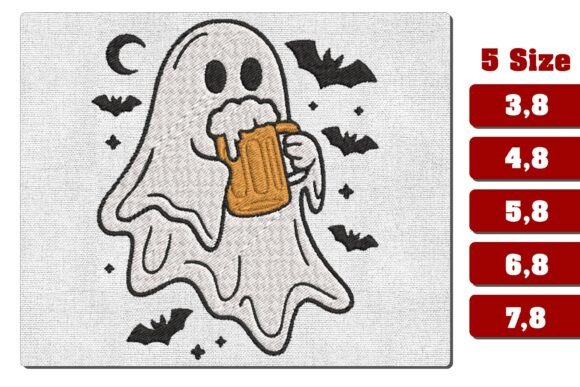
The first impression of this design is distinctly playful yet versatile. It strikes a balance between rustic charm and modern novelty, making it highly relevant for breweries, gastropubs, Halloween-themed pop-up shops, and creative studios looking to inject personality into their merchandise. For a small business owner, the visual tone suggests an approachable, unpretentious brand identity. It does not read as overly corporate or stiff; instead, it communicates a handmade product vibe that resonates well with Etsy sellers and local artisans.
However, because the subject matter is inherently casual, business owners must consider where this fits within their existing catalog. If you are a high-end bakery or a formal florist, this design might clash with your established elegance. Conversely, for a taproom, a pet brand with a quirky edge, or a boutique selling seasonal goods, the Ghost Drinking Beer Embroidery File serves as an excellent conversation starter. It transforms standard custom apparel into memorable branded merchandise that customers actually want to wear and share on social media.
Evaluating Size Versatility for Commercial Use
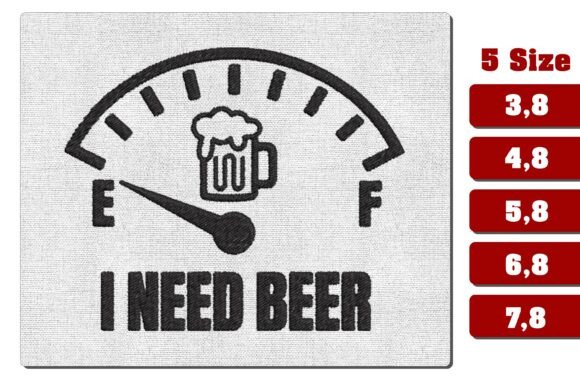
One of the strongest technical assets of this specific embroidery file is the range of available sizes: 3.8 in, 4.8 in, 5.8 in, 6.8 in, and 7.8 in. From a production standpoint, this versatility is crucial for maximizing ROI on a single design purchase. Here is how I recommend utilizing these specific dimensions for different business applications:
- 3.8 inch size: Ideal for left chest logos on polo shirts, sleeve accents on hoodies, or small embroidered patch production. This size requires careful attention to stitch density to prevent puckering on lightweight fabrics.
- 4.8 inch and 5.8 inch sizes: The sweet spot for cap embroidery and tote bag design. These dimensions provide enough surface area for the ghost and beer elements to remain distinct without overwhelming the curved surface of a hat or the canvas texture of a bag.
- 6.8 inch and 7.8 inch sizes: Best reserved for apron embroidery, back-of-shirt graphics, or large statement patches. At this scale, the design can serve as the primary visual anchor for staff uniforms or event merchandise.
Before committing to a full production run, always verify which hoop size your machine requires for each dimension. Switching hoops mid-production adds labor time, so planning your batch work by size is essential for efficiency in commercial embroidery workflows.
Technical Performance on Varied Substrates
A digital embroidery file that looks perfect on a computer screen can fail on textured fabric if not managed correctly. When reviewing this design for real-world application, I advise testing on the actual substrate you intend to sell. The interplay between thread colors and fabric texture will dictate the final quality.
For apron embroidery and heavy canvas tote bags, the design generally performs well because the sturdy fabric supports higher stitch counts. However, if you are applying this to performance wear or lightweight summer tees, you must adjust your stabilizer strategy. Using a cut-away stabilizer is often necessary to maintain registration and prevent the design from distorting after washing. For cap embroidery, the curvature of the hat front can sometimes cause gaps in outlines; running a test stitch-out on a spare cap is non-negotiable to ensure the ghost’s outline remains crisp.
Business owners should also consider the washability of the finished product. Merchandise intended for food service or frequent use needs durable thread choices. Polyester threads are generally recommended over rayon for bar and restaurant environments due to their resistance to bleach and industrial laundering. Ensuring the Ghost Drinking Beer Embroidery File holds up after fifty washes is what separates professional-grade merch from amateur crafts.
Strategic Applications for Small Business Growth
Beyond standard apparel, this design has significant potential for expanding product lines. As an embroidered patch, it becomes a low-cost, high-margin add-on item that can be sold at point-of-sale or included as a free gift with purchase to boost customer loyalty. Patches allow customers to customize their own jackets and bags, extending your brand reach organically.
For digital-first businesses, this file is valuable for creating printable mockups. High-quality digital renderings of the design on various products can be used for pre-sales or crowdfunding campaigns before you even thread a needle. This reduces inventory risk and validates market demand. Additionally, for businesses operating in or exporting to regions like South America, where textile craftsmanship is deeply valued, offering culturally resonant, high-quality embroidery can differentiate your brand in competitive markets.
Critical Designer Notes for Production Success
To ensure the Ghost Drinking Beer Embroidery File meets professional standards, adhere to these practical guidelines before launching your merchandise line:
- Test in Black and White: Before running full-color tests, stitch the design in a single color. This reveals structural issues, spacing errors, or density problems that color changes might hide.
- Check Licensing: Always confirm the commercial licensing terms included with the file. Just because a file is purchasable does not automatically grant unlimited commercial reproduction rights for resale.
- Contrast Verification: Ensure thread colors have sufficient contrast against your chosen garment color. A white ghost on a cream shirt will disappear in photos and in person. Test visibility under both natural and artificial lighting.
- Stitch Density Audit: If the design feels bulletproof or stiff at the 3.8-inch size, it may be too dense for that scale. Consult your digitizing software or a professional digitizer to lighten the fill patterns for smaller applications.
- Create Client Mockups: Never assume a client understands embroidery limitations. Provide a physical sample or a highly accurate digital proof to manage expectations regarding size and detail clarity.
Final Assessment for Merchandise Creators
The Ghost Drinking Beer Embroidery File is a robust asset for the right niche. Its strength lies in its character and size variety, allowing for diverse applications across caps, aprons, patches, and apparel. However, its success in a commercial setting relies on the operator's willingness to test, stabilize properly, and respect the technical constraints of each size variant. By treating this design as a professional production element rather than just a decorative graphic, small business owners can leverage it to build stronger brand recognition, create premium handmade products, and ultimately drive sales through superior embroidered merchandise. Always prioritize quality control and fabric compatibility to ensure your finished product reflects the professionalism of your business.