Cute Baby Otter Embroidery Design Review
First Impressions: Professional Charm for Commercial Use
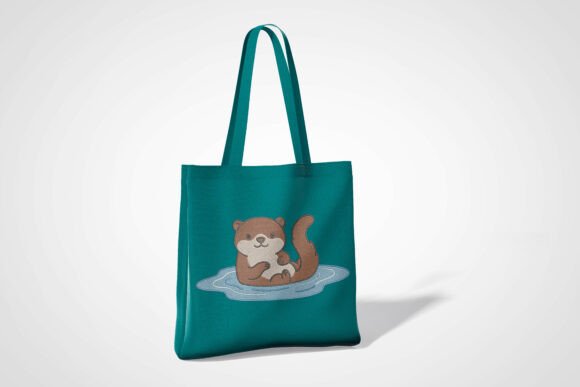
As an embroidery designer evaluating assets for small business merchandise, my first priority is always determining whether a design can transition from a cute digital image to a professional finished product. The Cute Baby Otter Embroidery Design immediately stands out because of its intentional simplicity. Unlike overly complex wildlife art that often fails when scaled down for branding, this design features an adorable otter sitting peacefully in water with a soft, minimal, and charming look. For commercial applications, "minimal" is a keyword that translates directly to production efficiency and visual clarity.
The description notes simple lines and smooth stitching, which suggests a digitizing style optimized for clean registration. In the world of commercial embroidery, clean lines are far more valuable than dense shading when creating brand identity assets. This aesthetic strikes a difficult balance: it retains the warmth required for businesses in the Babies category or pet care sectors while maintaining the crispness needed for staff uniforms and retail merchandise. It feels handmade yet polished, avoiding the amateurish look that can plague boutique branding.
Real-World Applications for Small Business Merchandise
When integrating this machine embroidery design into a business inventory, versatility is key. Based on the structural integrity implied by the smooth stitching, I see several high-value applications for local businesses and Etsy sellers.
- Apron Embroidery: For bakeries, florists, or craft studios, this design works exceptionally well as a left-chest logo or pocket accent. The peaceful nature of the otter aligns perfectly with businesses promoting relaxation, care, or organic products.
- Tote Bag Design: Canvas totes are staples for small business merch. The minimal line work of the baby otter allows for high contrast on natural cotton canvas without causing fabric puckering, a common issue with denser designs.
- Embroidered Patch Production: Because the design relies on simple lines rather than intricate gradients, it is an ideal candidate for merrowed edge patches. These can be sold as standalone add-ons or applied to caps and jackets where direct embroidery is difficult.
- Custom Apparel for Infants: Given the Babies category classification, this embroidery file is naturally suited for onesies and bibs. However, the smooth stitching profile is crucial here; bulky designs irritate delicate skin, but this minimal approach ensures the garment remains comfortable.
- Cap Embroidery: The centered, seated composition of the otter fits the limited vertical space of a cap front panel better than horizontal landscapes or tall standing animals.
Technical Considerations and Placement Warnings
While the Cute Baby Otter Embroidery Design is versatile, professional decorators must respect the physics of thread and fabric. Even the best digital embroidery file has limitations based on size and substrate.
Scaling and Detail Retention
The "simple lines" mentioned in the product details are a strength, but they also impose a minimum size constraint. If you reduce this design too aggressively for tiny sleeve cuffs or infant socks, those clean lines may merge. Before running production on custom apparel, verify the minimum recommended size in your software. If the water element beneath the otter contains satin stitches, shrinking below 2 inches could cause thread breaks or poor coverage.
Fabric Texture and Stabilizer Selection
Smooth stitching requires a stable foundation. On textured fabrics like terry cloth towels or pique polos, the fine details of the otter’s face could get lost. You must use an appropriate stabilizer strategy. For knits, a cut-away stabilizer is non-negotiable to prevent distortion. For woven tote bags or aprons, a medium-weight tear-away may suffice. Always test on the actual fabric texture intended for the final run; what looks perfect on screen may sink into fleece or waffle knit.
Washability and Durability
Merchandise for babies and service industry staff faces rigorous laundering. Ensure the thread colors selected are colorfast and bleach-resistant if applicable. Minimal designs with open spaces generally wash better than solid fill areas because there is less tension on the fabric. However, check that the outline stitches are securely anchored to prevent fraying after repeated cycles.
Impact on Brand Identity and Customer Trust
In the competitive landscape of handmade brands and local shops, visual consistency builds trust. Using a high-quality, professionally digitized asset like the Cute Baby Otter Embroidery Design signals attention to detail. When customers see clean, gap-free stitching on a branded item, they subconsciously attribute that same quality to the business's core products or services.
For businesses in the nursery, pediatric, or animal care space, this specific imagery evokes safety and gentleness. It softens the commercial transaction, making handmade product offerings feel more personal. Furthermore, utilizing consistent design assets across multiple touchpoints—from packaging accents to staff wear—reinforces recognition. A customer who receives a gift with this otter motif will instantly recognize your booth at a market or your storefront online.
Designer Notes: Pre-Production Checklist
Before loading this embroidery file into your machine for a client order or stock production, follow this professional validation protocol:
- Verify Licensing: Confirm the commercial licensing terms specifically allow for resale on finished goods or branded merchandise. Never assume a purchase includes business rights.
- Create a Printable Mockup: Generate a realistic mockup to show clients or stakeholders how the design interacts with their specific garment color. This manages expectations regarding scale and placement.
- Test Stitch Out: Always run a physical sample. Check the registration between the otter and the water elements. Look for gaps or overlapping stitches that indicate hooping issues or digitizing flaws.
- Evaluate Contrast: Test the design in black and white thread first. If the design loses definition without color variation, it may not work on low-contrast backgrounds like navy thread on black fabric.
- Check Hoop Size Compatibility: Ensure the design dimensions fit comfortably within your smallest necessary hoop with adequate margin for the presser foot. This prevents frame strikes during cap embroidery or tight-space projects.
- Compare Against Existing Assets: Place this design beside your current logos and icons. Does the stitch density match? Is the line weight consistent? Visual harmony across all design assets is essential for premium branding.
The Cute Baby Otter Embroidery Design offers a compelling blend of aesthetic appeal and technical practicality for small business owners. Its minimal construction supports diverse applications from apron embroidery to boutique retail tags, provided the decorator respects the fundamental requirements of stabilization and scaling. By treating this design as a strategic brand asset rather than mere decoration, businesses can leverage its charm to create professional, trustworthy, and highly marketable merchandise.